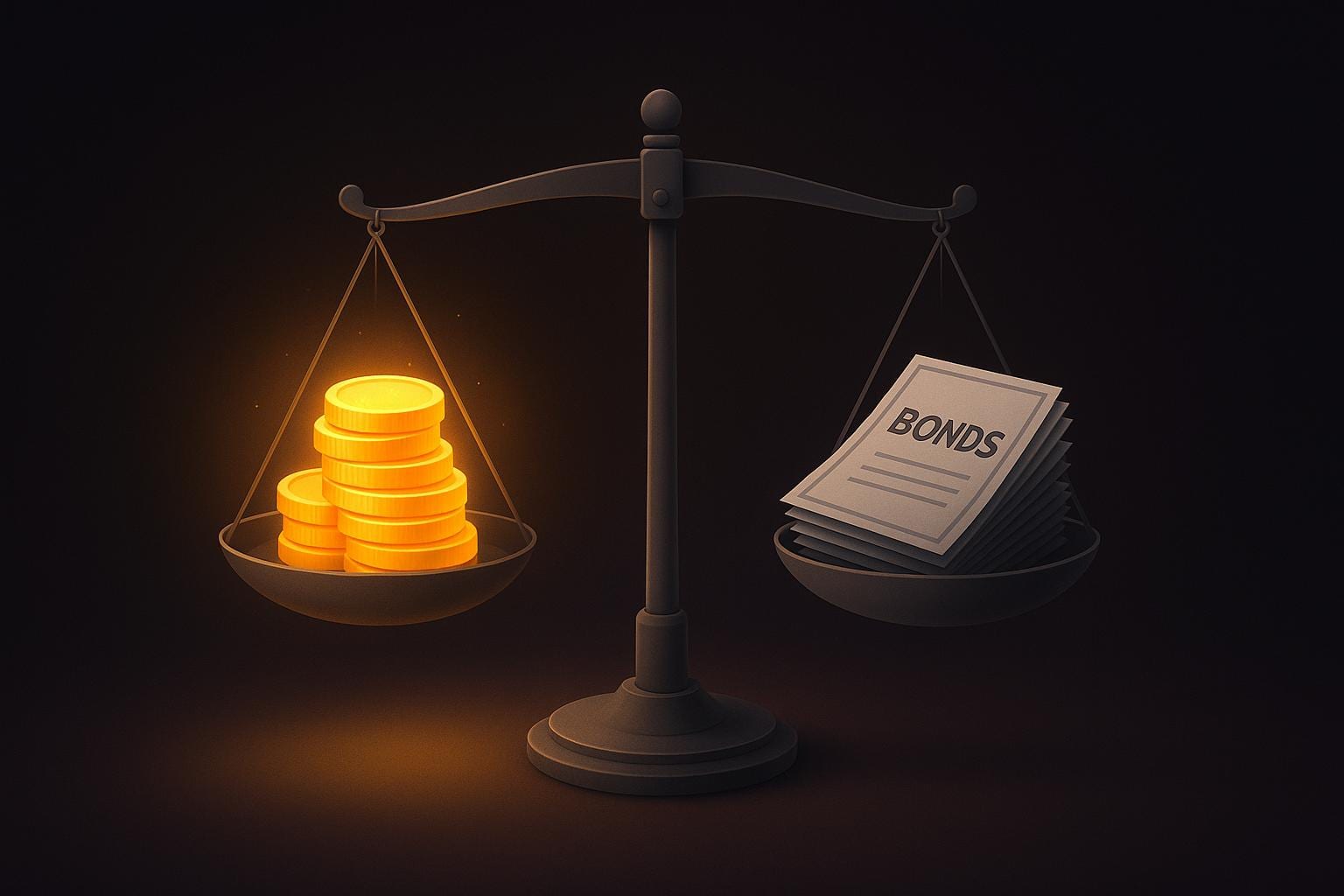
In today's fast-paced, information-saturated world, the self-directed investor navigates a sea of complexity in search of financial optimization. While the allure of quick returns can dominate the mindset of many, the enduring wisdom of diversification and an evidence-based approach remains the cornerstone of long-term success. This article dives deep into the valuable insights shared in the discussion featuring Meb Faber, a well-regarded writer and investor, on the nuances of diversification, risk, and the behavioral mistakes investors often make.
We'll explore the key takeaways, lessons about market cycles, and actionable strategies for the optimization-focused investor.
The Reality of Diversification: Beyond Stocks Alone
"Diversification" is often treated as a buzzword, but this discussion unveiled its true significance. While many investors equate diversification solely with stocks, Faber underscores that this approach only scratches the surface. Diversification must transcend asset classes, geography, and even investment vehicles.
Why "Buy and Hold" Isn’t Universal
One of the standout points Faber notes is that the concept of "buy and hold", especially for stocks, is not as universally applicable as many believe. In fact, in certain countries, such as Austria, Japan, and Russia, equities have underperformed for decades. He emphasizes:
- Historical Context Matters: Certain markets have faced prolonged downturns. For example, during COVID, long bonds rivaled or surpassed the returns of equities over a 40-year horizon.
- Global Perspective: U.S. investors often overlook the fact that the U.S. makes up only one quarter of global GDP, despite dominating global stock market capitalization.
This broader view prompts critical thinking about the inherent biases many investors have, especially when focusing primarily on their domestic markets. Faber's message is clear: a truly diversified portfolio should include a holdings mix of stocks, bonds, real assets (like farmland), and international exposure.
The Case for Forgotten Assets: Farmland, REITs, and Bonds
Among the less traditional assets discussed, farmland emerges as one of Faber's favorite diversifiers. Despite its complexities and operational challenges, farmland provides unique exposure to inflation-protected growth. Yet, most investors ignore it due to its private ownership structure or idiosyncratic risks.
Why Farmland and Other "Unpopular" Assets Matter
Faber likens farmland to a diversified stock portfolio, noting that when managed wisely - across multiple crops, geographies, and markets - it offers relatively stable, inflation-linked returns. Similarly, REITs (real estate investment trusts) and gold have historically outperformed during certain periods when stocks faltered.
A key takeaway here is the importance of including overlooked or less glamorous asset classes in a portfolio. For example:
- International Bonds: Often ignored by U.S. investors, international bonds can offer stability and diversification.
- Emerging Markets: Countries like Brazil, Turkey, and Colombia, while at times politically volatile, are often priced attractively relative to developed markets.
- Commodities: Assets like gold and live cattle can provide counter-cyclical diversification, especially in inflationary environments.
Market Cycles and the Danger of Short-Term Thinking
A central theme throughout the discussion is the mismatch between investor expectations and the realities of market cycles. Many investors expect consistent returns, but Faber warns that the timeframes for evaluating performance are far longer than most people realize.
Stocks Can Underperform for Decades
Faber explains that while stocks have performed exceptionally well in the U.S. over the past 15 years, there are extended periods where they lag behind other asset classes. For example:
- From 1999 to the early 2000s, REITs and gold outpaced U.S. equities.
- International equities have also undergone cycles of outperformance, such as in the 2000s.
This understanding of market variability emphasizes the need for patience and a willingness to stick with a diversified, long-term strategy. However, as Faber notes, investors often struggle with this due to behavioral biases.
Behavioral Pitfalls: The Biggest Mistakes Investors Make
1. Performance Chasing
Faber identifies this as the single most damaging behavioral mistake investors make. Whether retail or institutional, many chase the hottest funds, sectors, or strategies based solely on recent performance. The unfortunate truth? By the time an asset’s outperformance is evident, much of the potential upside is already gone.
2. Sitting on Cash
Another pervasive mistake is sitting on excess cash while waiting for the "perfect" time to invest. Market timing is notoriously difficult, and inflation erodes cash's value over time. Missing even a few of the best-performing days in the market can significantly hamper long-term returns.
3. Selling Winners, Holding Losers
Faber humorously points out that no investor ever says, "This fund is performing too well. I need to sell it." Instead, investors often sell winners prematurely while holding onto underperformers, hoping for a turnaround.
The Changing Landscape of Investment Strategies
An intriguing element of the discussion is the rise of thematic investments and strategies like trend-following. While trend-following strategies have seen mixed performance in recent years, Faber remains optimistic, calling it a "premier diversifier." He notes that much like value investing, trend-following goes through cycles of outperformance and underperformance, requiring long-term commitment from investors.
Institutional Complexity: A Double-Edged Sword
Faber also critiques large institutional investors like pension funds for their overly complex strategies and high fees. He argues that institutions would often be better served by a simple buy-and-hold ETF portfolio, highlighting the inefficiencies in their current models.
Key Takeaways
- Diversification Is More Than Stocks: Build a portfolio that includes bonds, real assets, emerging markets, and international exposure.
- Don’t Trust Short-Term Outperformance: Markets are cyclical. What’s hot today may underperform tomorrow.
- Farmland and REITs Are Overlooked Gems: While unconventional, these assets offer inflation-protected growth and diversification benefits.
- Behavioral Biases Are Costly: Avoid performance chasing, sitting on cash, and overreacting to short-term performance.
- Institutional Investors Aren’t Always Superior: Even with massive resources, many institutions fail to outperform basic buy-and-hold strategies.
- Patience Is Key: True diversification and strategy adherence require a long-term perspective, often spanning decades.
- Consider Trend-Following: Though cyclical, trend-following remains a valuable diversifier for many portfolios.
- Beware of "Comfort Bias": Investing in familiar markets (e.g., U.S. stocks) can limit your portfolio’s potential.
- Emerging Markets Offer High Risk-Reward: Countries like Brazil, Turkey, and Colombia may be volatile, but they often trade at deep discounts.
Conclusion
For the self-directed investor, the path to financial optimization lies in breaking free from biases, embracing diversification, and maintaining a long-term perspective. The insights shared by Faber and his co-panelists serve as a timely reminder that successful investing isn't about chasing trends or timing the market - it's about building a resilient strategy tailored to your long-term objectives. Whether you're evaluating international bonds, farmland, or deep value stocks in emerging markets, the principles of diversification and discipline remain timeless.
By learning from market history and avoiding common behavioral pitfalls, today's investor can position themselves for a more secure financial future - even in a world of uncertainty.
Source: "The Diversification Bull Market (with Meb Faber) | Alpha Architect Round Up" - Alpha Architect, YouTube, Sep 6, 2025 - https://www.youtube.com/watch?v=x1-T_Yc9F_E
Use: Embedded for reference. Brief quotes used for commentary/review.