Updated September 26, 2026.
The Boost · Mezzi’s Sunday email
Archived article dated November 4, 2024. This page retains the original newsletter with a separately dated editorial update and corrected product wording. See current membership options and the Mezzi help center for today’s product details.
As you build wealth, you may have considered hiring a financial advisor. Many people don’t know where to start when it comes to choosing one. Take your time and ask tough questions – the decision can significantly impact your wealth.
This is the first in a multi-part series on how to evaluate advisors. Today we start by describing the different types.
What you need to know
First off, the term “financial advisor” is a catch-all for a professional that may help with one or multiple aspects of financial planning and wealth building. These could include investments, retirement, estate planning, building a financial plan, tax, education savings, and insurance.
Types of advisors
Certified Financial Planners (CFPs): These individuals earn the CFP title and are certified by the CFP Board. Many offer comprehensive financial planning, including retirement, education, estate planning, tax strategies, and insurance needs. They are well-suited for individuals seeking a holistic approach to managing their financial life.
Wealth managers: Catering to high-net-worth individuals, they offer a suite of services that includes investment management, estate planning, and tax planning. The scope varies by firm and agreement; the title alone does not establish expertise or a promised outcome. The wealth-manager title does not have one universal professional credential requirement, but the activities performed can require registration or licensing. Verify the individual, firm, and services offered.
Investment advisors: They specialize in investment portfolio management and strategy. They are ideal for individuals looking for personalized investment management advice.
Tax advisors: Specialize in tax planning strategies to minimize liabilities and maximize compliance. They are essential for individuals with complex tax situations, such as business owners or those with significant investments.
Insurance advisors: They focus on risk management through insurance products. They can help with life insurance, long-term care insurance, and disability insurance planning, among other insurance needs, helping you evaluate coverage, exclusions, costs, and gaps for the risks you want to address.
Robo-advisors: A largely automated, algorithm-driven digital platform that manages portfolios based on your specified risk tolerance and financial goals. Professionals oversee the models used to manage portfolios. Read more aboutrobo-advisors.
Even with these titles, the selection process can be vague, particularly because a given advisor could overlap in these areas or only cover a subset. This is why it’s so important to interview them thoroughly and ask tough questions so you know they’ll meet your needs.
Decide which responsibility you need help with
Editorial update, September 26, 2026. A job title alone does not answer whether you should hire someone. Start with the work you are struggling to complete and whether you want advice, implementation, or both.
| Your unresolved need | Service to investigate | Question that clarifies the scope |
|---|---|---|
| A one-time retirement decision | A defined planning engagement | What written analysis will I receive? |
| Ongoing portfolio decisions and trading | An investment-advisory arrangement | Which accounts can you manage, and under what authority? |
| Business or investment tax complexity | A qualified tax professional | Does the engagement cover planning, preparation, or both? |
| Coordinating several professionals | A planner or team with a coordination role | Who owns each deadline and decision? |
| Understanding accounts while retaining control | Financial software or advice you implement | What information is missing, and who acts on the answer? |
These options can coexist. Suppose a household wants to buy a home, owns appreciated shares, and has a complicated tax return. Software can help organize the accounts and questions. A planner can evaluate funding scenarios under an agreed scope; a tax professional can analyze the tax position. The household still needs to establish who would place any trade and who prepares the return. This is an illustrative division of responsibilities, not a requirement to hire all three.
The SEC explains how Form CRS identifies a firm's services, fees, conflicts, and disciplinary disclosures. Read the relevant agreement as well. Advice, discretionary management, and brokerage transactions carry different responsibilities, even within the same firm.
Hiring becomes easier to evaluate when you can name an unmet job, an accountable person, and an affordable written scope. If your needs are straightforward and you are willing to learn and implement, a software-first process may be sufficient. If decisions repeatedly stall or require professional work beyond your knowledge, paying for a defined engagement can be reasonable.
What's next
In the next issue of The Boost, we’ll start digging into these questions and many more:
- How are advisors compensated?
- What types of products can advisors sell me?
- How often will my advisor provide updates?
- How often will we speak and through what mode of communication?
- Should I expect my advisor to beat the market?
If there is a question you’d like us to address, reply to this email and let us know!
How can Mezzi help?
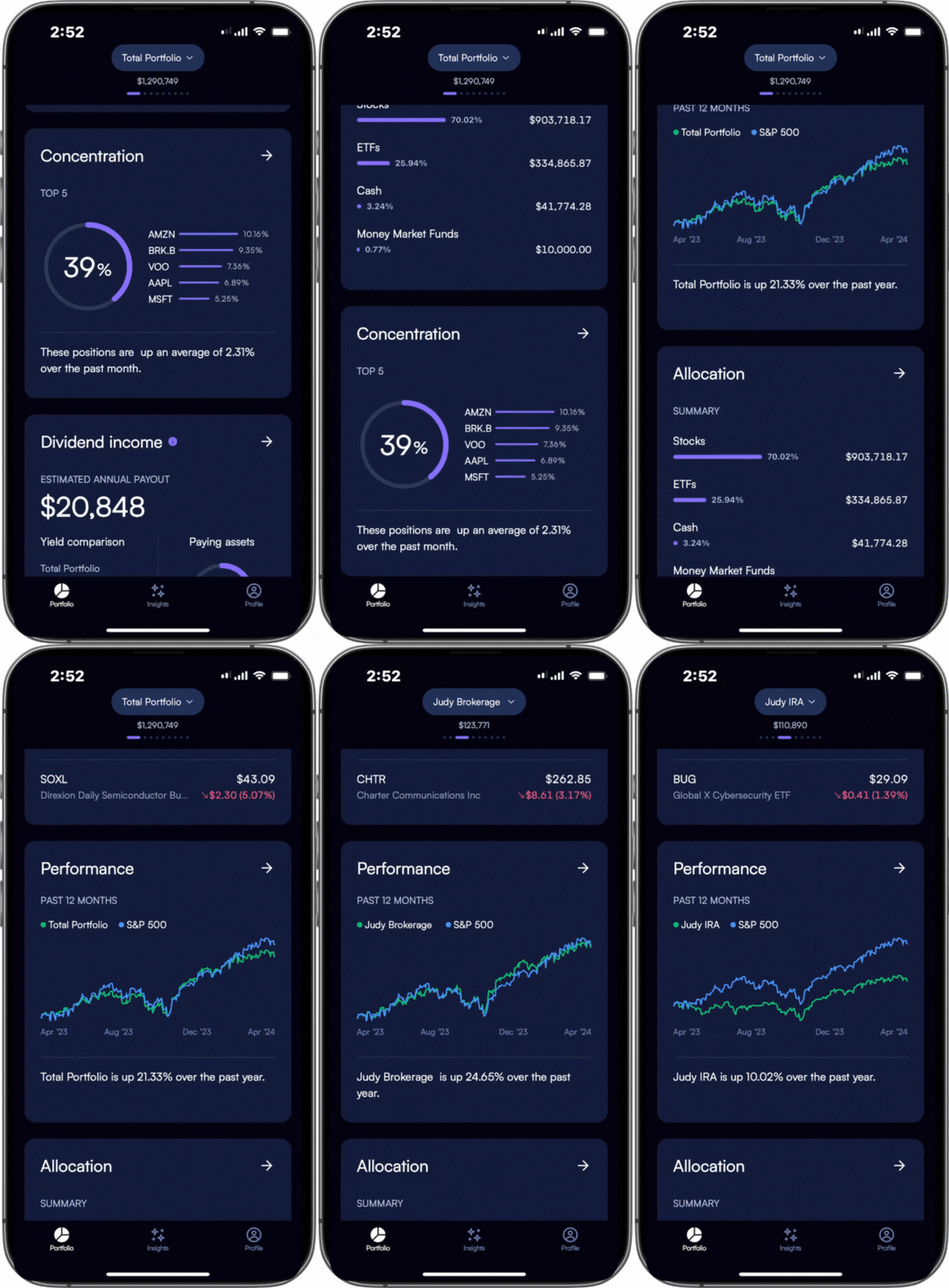
Whether or not you work with an advisor, Mezzi can help you review available account information and discuss your goals. It does not guarantee progress toward a goal. Specifically, use Mezzi to:
- Explore potential tax-saving opportunities across self-managed and advisor-managed accounts
- Monitor and track performance of self-managed and advisor-managed accounts against key benchmarks
- Review investments that may conflict with the goals of your advisor-managed accounts, or vice versa
- Easily share the allocations and holdings in your personally managed accounts with your financial and tax advisors - you can even invite them to collaborate
- Discuss possible wash-sale issues using available information; missing household accounts or transactions can prevent complete detection
Explore Mezzi today. See how your available accounts and personal goals fit together.
Explore MezziFor current product details, visit the Mezzi help center.
This archived newsletter is educational and is not personalized investment, tax, or legal advice. Historical product descriptions, prices, and market examples may no longer apply. Investing involves risk, including loss of principal.