Updated September 26, 2026.
The Boost · Mezzi’s Sunday email
Archived article dated November 4, 2024. This page retains the original newsletter with a separately dated editorial update and corrected product wording. See current membership options and the Mezzi help center for today’s product details.
This is the second in a multi-part series: for the hundreds of new subscribers, welcome to The Boost, Mezzi's weekly newsletter. Last week, we covered the various types of financial advisors.
A knowledgeable, trustworthy advisor can provide invaluable guidance. However, not all advisors have the same depth of experience and not all of them put your interests first, as this recent Wall Street Journal article pointed out.

What you need to know
They can have various backgrounds, education levels, certifications, and areas of focus. If you're seeking an adviser, start your interview process with these six questions.
Get started with these six questions:
Use these questions to evaluate their background.
- What are your professional qualifications and certifications? While not a prerequisite to being a great advisor, respected designations like Certified Financial Planner (CFP), Chartered Financial Analyst (CFA), or Certified Public Accountant (CPA) can help in evaluating an advisor’s education level. Some advisors may even hold all of the above, while others may not have a college degree.
- What is your professional experience? You may find advisors from a wide variety of professional experiences. Some have worked in the tech industry, while others went to medical school. Their professional or educational experience could indicate if they will be able to better suit your needs, particularly if you are working in tech or medicine, respectively.
- What types of clients do you specialize in serving? Ensure the advisor works with clients in similar situations to yours - whether that's busy professionals, near-retirees, or business owners. They should understand the unique challenges and opportunities you face.
- How long have you been an advisor? One just starting out may not have experience navigating market cycles. If they started their career in a different industry and then pivoted to being an advisor, they may bring a unique perspective.
- Do you work with a team, and how will they be involved? Some may work at a firm that can pull in different experts to help with your unique needs over time, while others operate independently and may maintain a network of expert contacts.
- What are your areas of expertise? Some will have investment management experience, while others will outsource it. Some may get involved in tax optimization to boost investment returns, while others will point you to a CPA.
It’s important to note that you should not stop asking the tough questions after you hire an advisor. You’re building your family’s wealth for the long-term, so it’s important to keep tabs on them.
Turn the interview into a written comparison
Editorial update, September 26, 2026. Keep the original six questions, then ask each finalist to describe the same assignment. For example: “We need to coordinate a workplace retirement plan, taxable investments, and an upcoming home purchase. What will you deliver, and what will we still do ourselves?” This is an illustrative brief, not a customer story.
| Part of the assignment | Evidence to request | What to record |
|---|---|---|
| Planning | A description of the plan and review schedule | Deliverable, deadline, named owner |
| Investments | Scope of advice and any trading authority | Which accounts are covered and who acts |
| Taxes | Exact work included and coordination with your tax preparer | Analysis versus filing responsibility |
| Costs | Written fee schedule and relevant additional expenses | Annual dollar estimate and assumptions |
| Follow-through | Contact and escalation process | Meeting frequency and response expectations |
Ask for the firm's Form CRS where applicable and review services, costs, conflicts, and reportable disciplinary history. The SEC's relationship-summary guide explains what the document covers and how to look up a firm. Confirm an individual's stated credential with its issuing organization as a separate check.
A hypothetical 1% annual charge on a constant $500,000 account is $5,000 before other expenses. A $3,000 planning quote appears cheaper, but it may leave trading, monitoring, and tax coordination with you. The useful comparison is the cost of the complete assignment, not the lowest number on either proposal.
Do not choose solely by years in business, credentials, or a promise to beat an index. Use those questions to investigate fit, then make sure the written scope matches the responsibilities you want someone else to take.
What's next
In the next issues of The Boost, we’ll dig into how advisors are compensated, how they approach investment management, and all of the services they offer. If there is a question you’d like us to address, reply to this email and let us know!
How can Mezzi help?
Whether or not you work with an advisor, Mezzi can help you review available account information and discuss your goals. It does not guarantee progress toward a goal. Specifically, use Mezzi to:
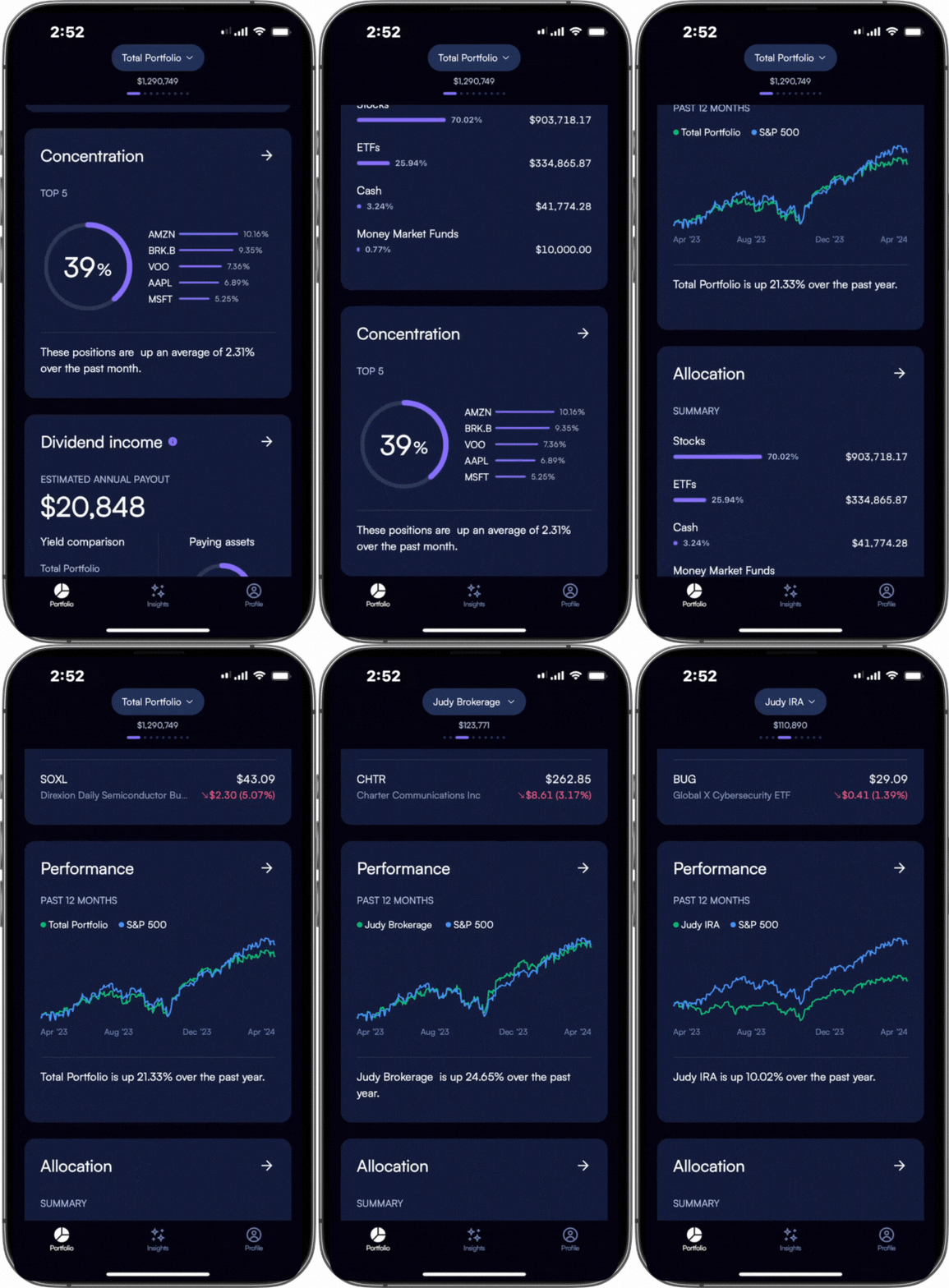
- Explore potential tax-saving opportunities across self-managed and advisor-managed accounts
- Monitor and track performance of self-managed and advisor-managed accounts against key benchmarks
- Review investments that may conflict with the goals of your advisor-managed accounts, or vice versa
- Easily share the allocations and holdings in your personally managed accounts with your financial and tax advisors - you can even invite them to collaborate
- Discuss possible wash-sale issues using available information; missing household accounts or transactions can prevent complete detection
Explore Mezzi today. See how your available accounts and personal goals fit together.
Explore MezziFor current product details, visit the Mezzi help center.
This archived newsletter is educational and is not personalized investment, tax, or legal advice. Historical product descriptions, prices, and market examples may no longer apply. Investing involves risk, including loss of principal.